Improve Every Move in Blackjack
11 July 2026 | 416
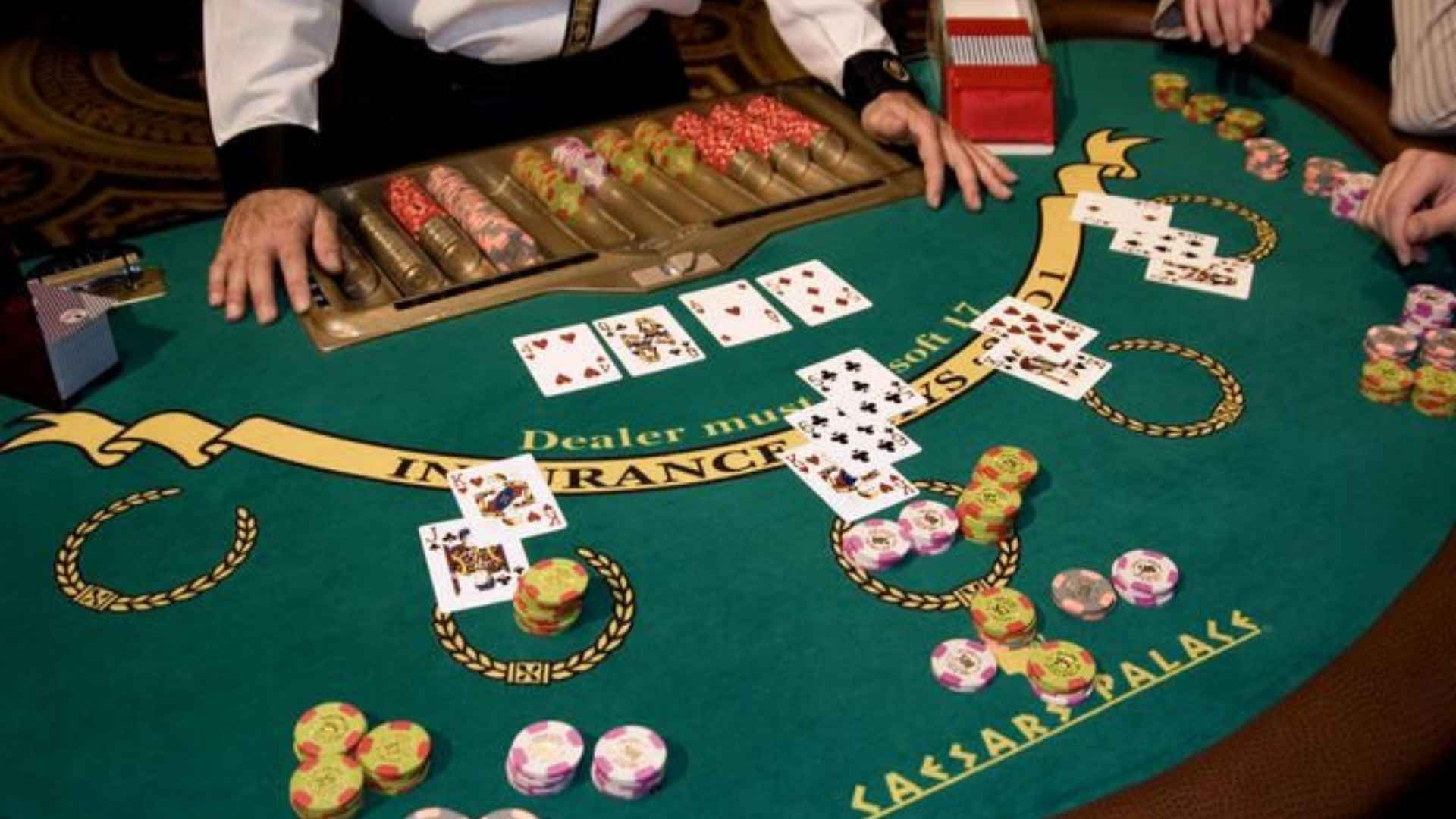
Learning blackjack effectively requires transitioning from abstract card counting theories to practical table application. Many beginners struggle because they try to memorize complex mathematical matrices without understanding how those decisions play out in real-time gaming environments. By focusing on actionable drills and situational awareness, anyone can build the muscle memory needed to make confident choices under pressure.
The Value of Hands On Simulation
The most effective way to internalize basic blackjack strategy is through consistent hands-on simulation rather than passive reading. Dealing physical cards to yourself or using digital trainers allows you to encounter various point totals repeatedly until the correct move becomes second nature. This repetitive cycle helps bridge the gap between textbook knowledge and the fluid dynamics of an active session.
As you simulate different scenarios, you will notice patterns in how dealer upcards dictate your mathematical risk. Practicing with an interactive platform like M88 slot provides a realistic framework to test your decision-making speeds without external pressure. Over time, this practical exposure removes the hesitation that frequently plagues novice players when facing tough point totals.
Breaking Down Core Strategic Decision Fields
To keep your practical learning structured, it helps to divide the strategy table into specific decision fields like hard hands, soft hands, and pairs. Hard hands are those without an Ace, meaning the risk of bursting is absolute and requires strict conservative limits. Soft hands provide a safety net, allowing you to play more aggressively since the Ace can adapt its value dynamically.
Pair splitting is another critical field where practical understanding drastically alters your long-term return percentages. Learning when to divide your cards protects your bankroll from difficult standing positions and maximizes profit against vulnerable dealer cards. Mastering these individual segments sequentially prevents cognitive overload and reinforces retention.
Translating Practice into Live Table Discipline
The final step in a practical learning journey is maintaining absolute discipline when moving from a training environment to live table gameplay. Emotional variance and fast-paced environments can easily disrupt a player's focus, leading to costly deviation from verified mathematical lines. Establishing strict session boundaries and sizing your wagers proportionally to your bankroll will safeguard your progress.
True proficiency is marked by the ability to execute optimal plays uniformly, regardless of short-term wins or losses. Treating every hand as an independent statistical event allows you to strip away the superstitions that often compromise strategy. Ultimately, grounding your approach in practical execution ensures a highly sustainable and engaging card gaming experience.